EdTech Masterplan 2030 alignment
What the papers and lessons are constructing
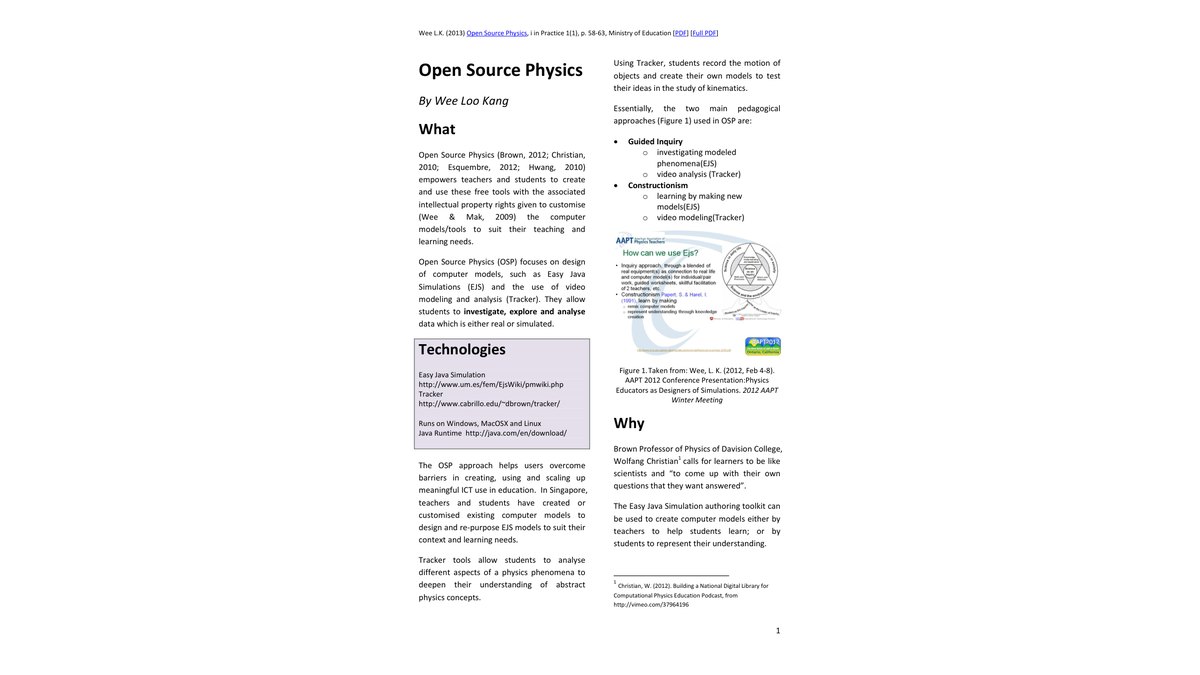
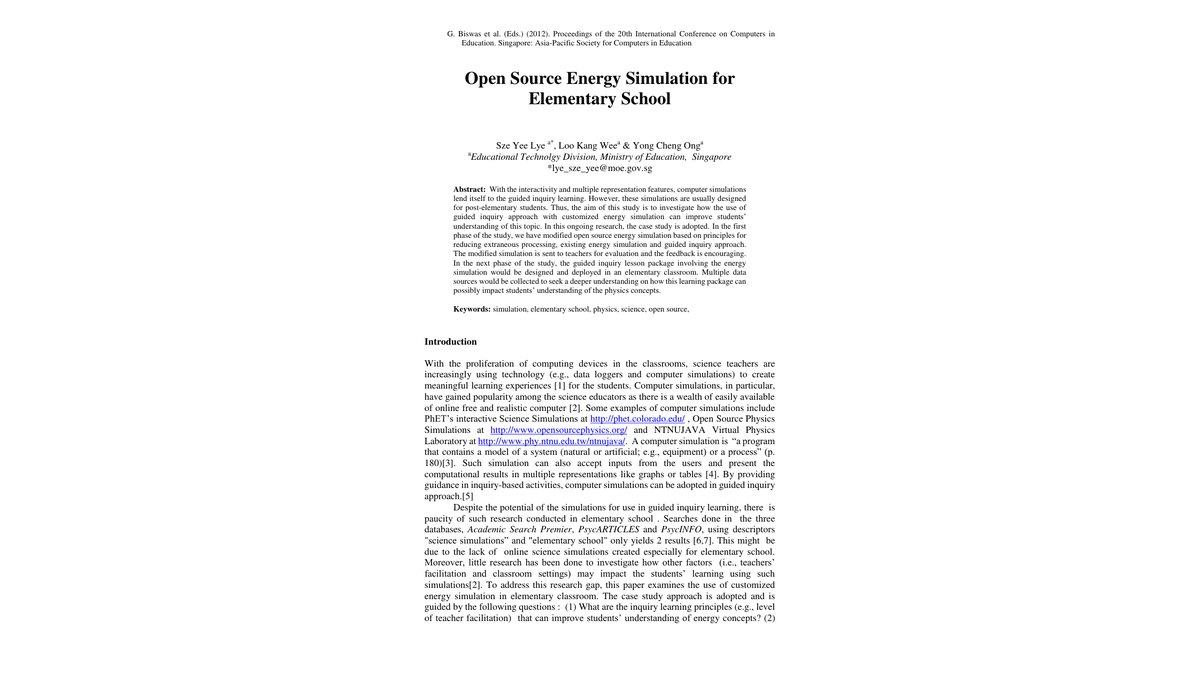
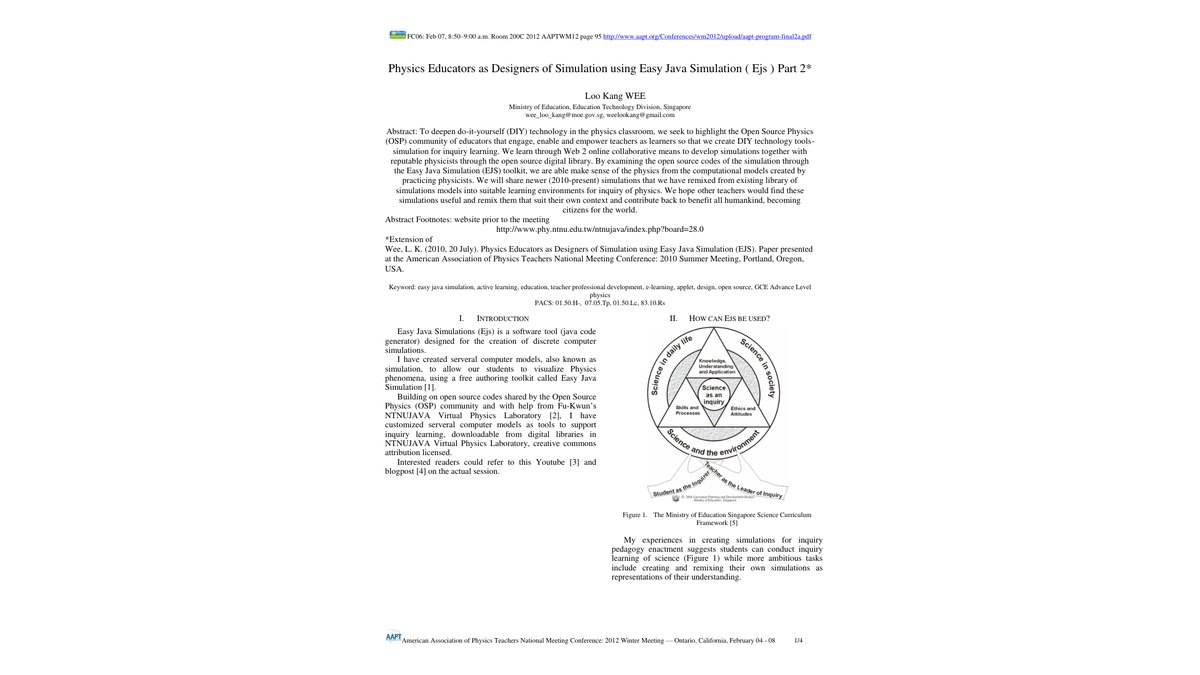
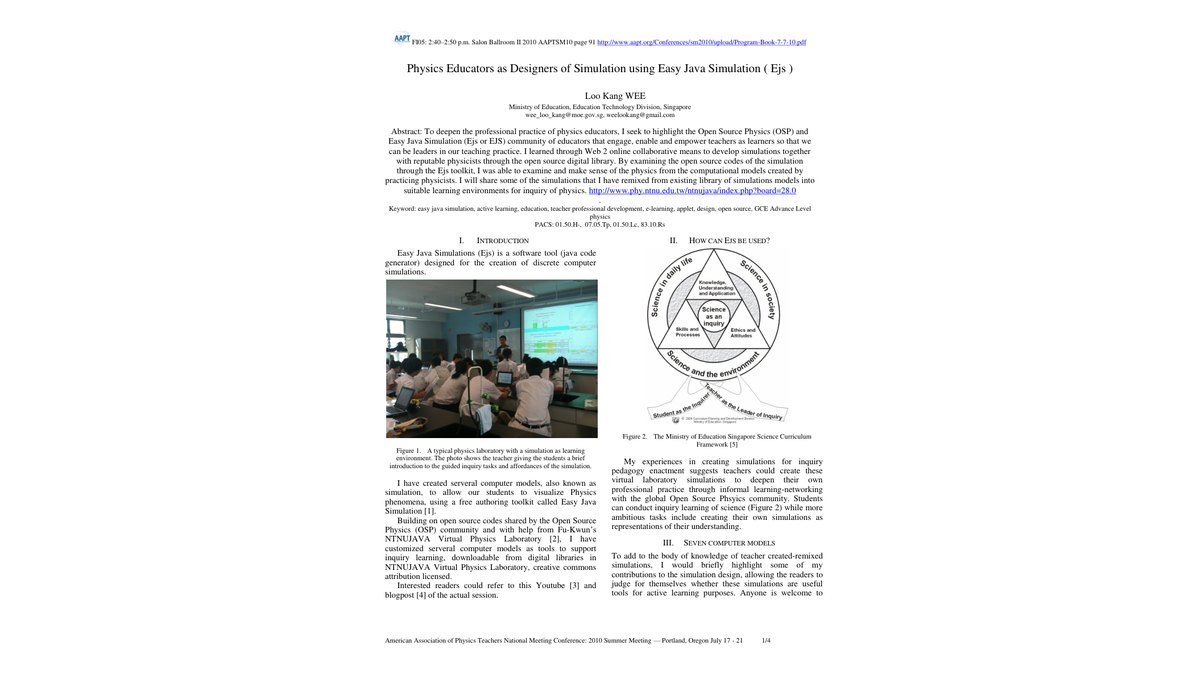
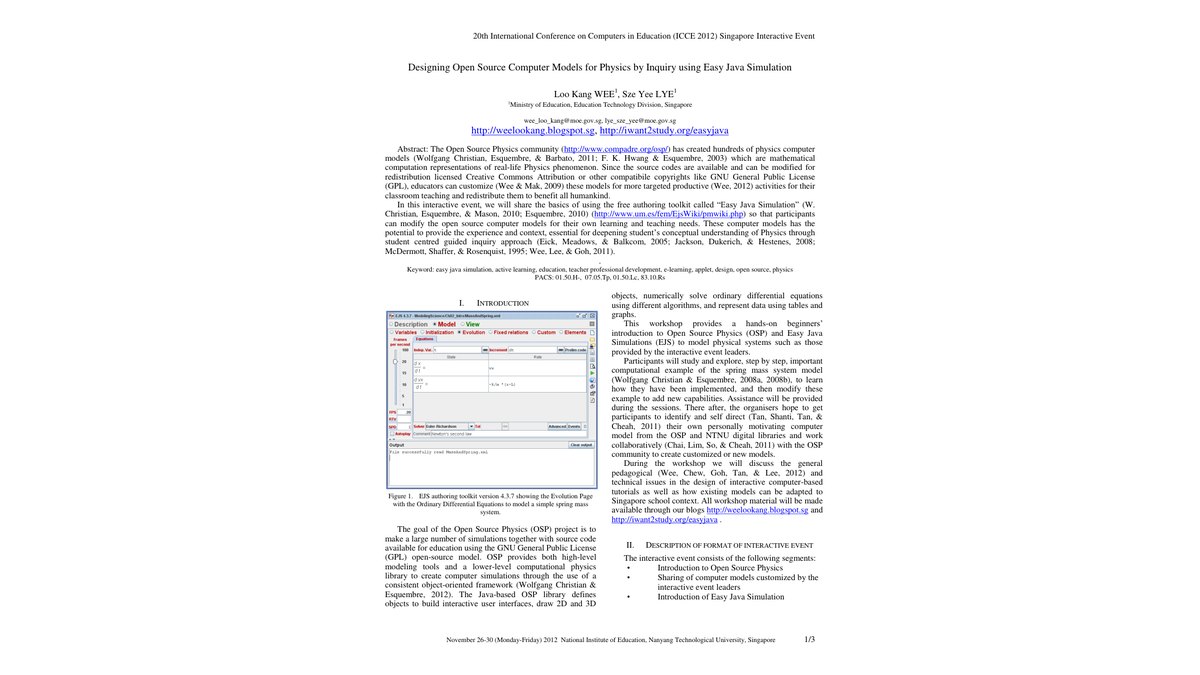
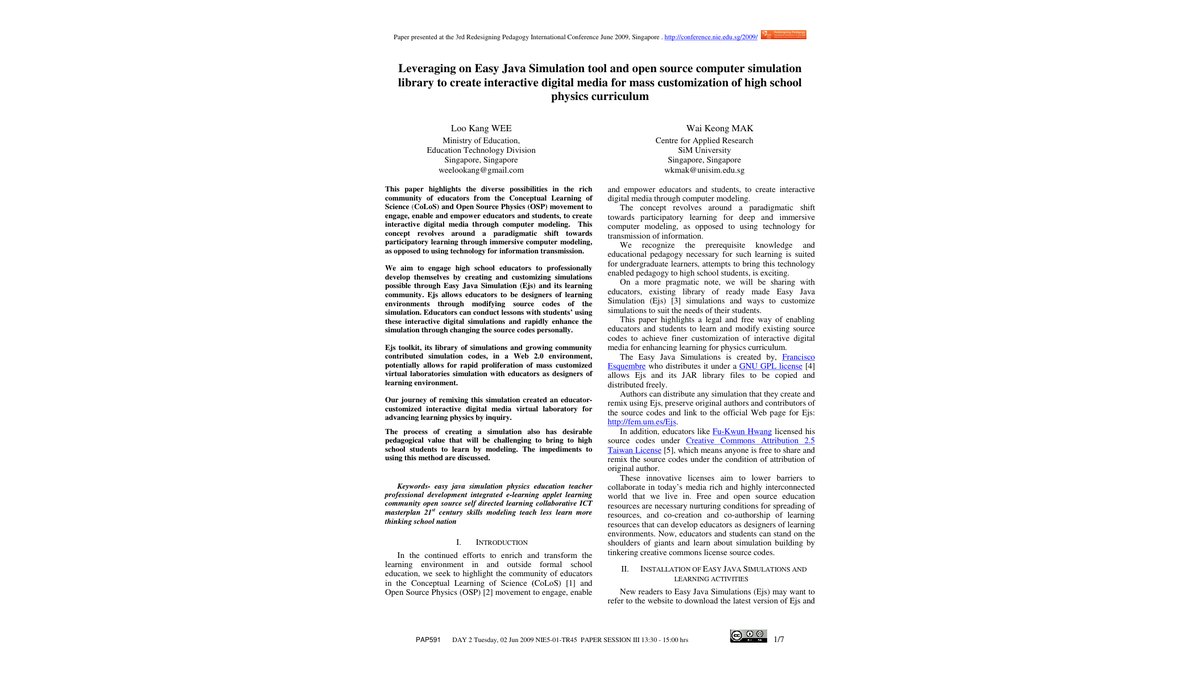
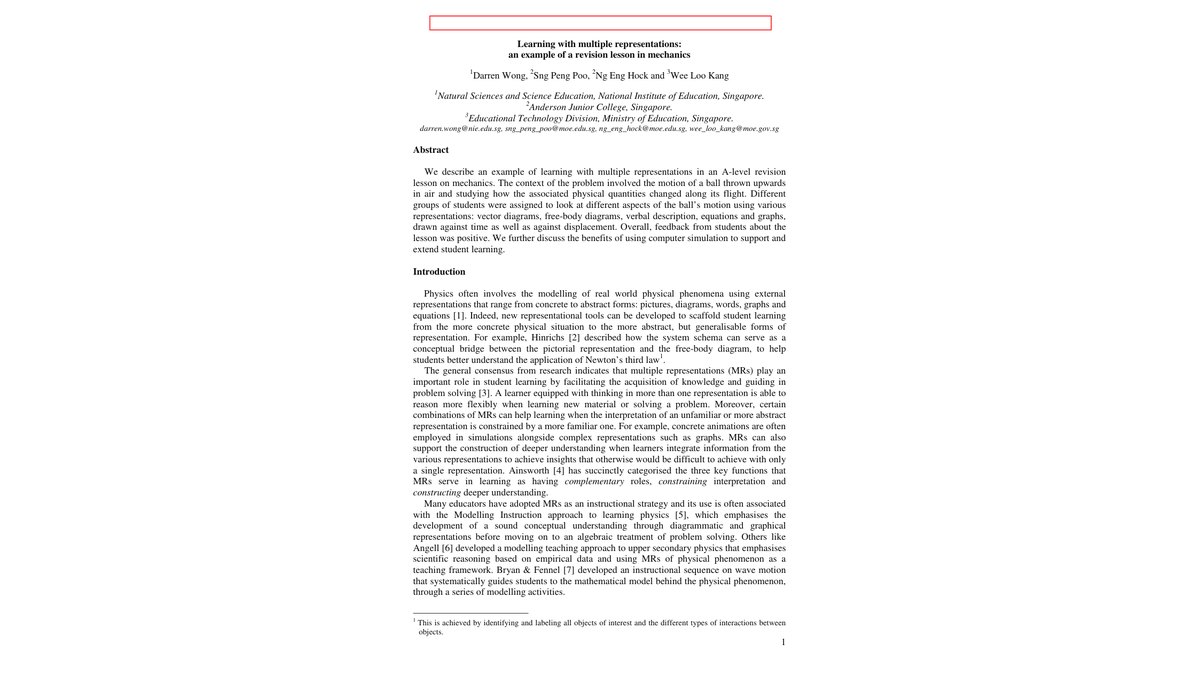
These digests are not just a bibliography. They show how research ideas become lesson designs: students manipulate models, choose variables, collect evidence, discuss representations, improve explanations, and begin to see themselves as young scientists with agency.
Read MOE EdTech Masterplan 2030
Research construct
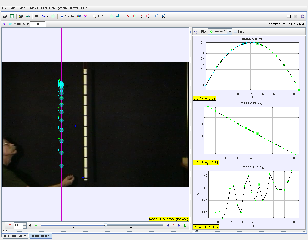
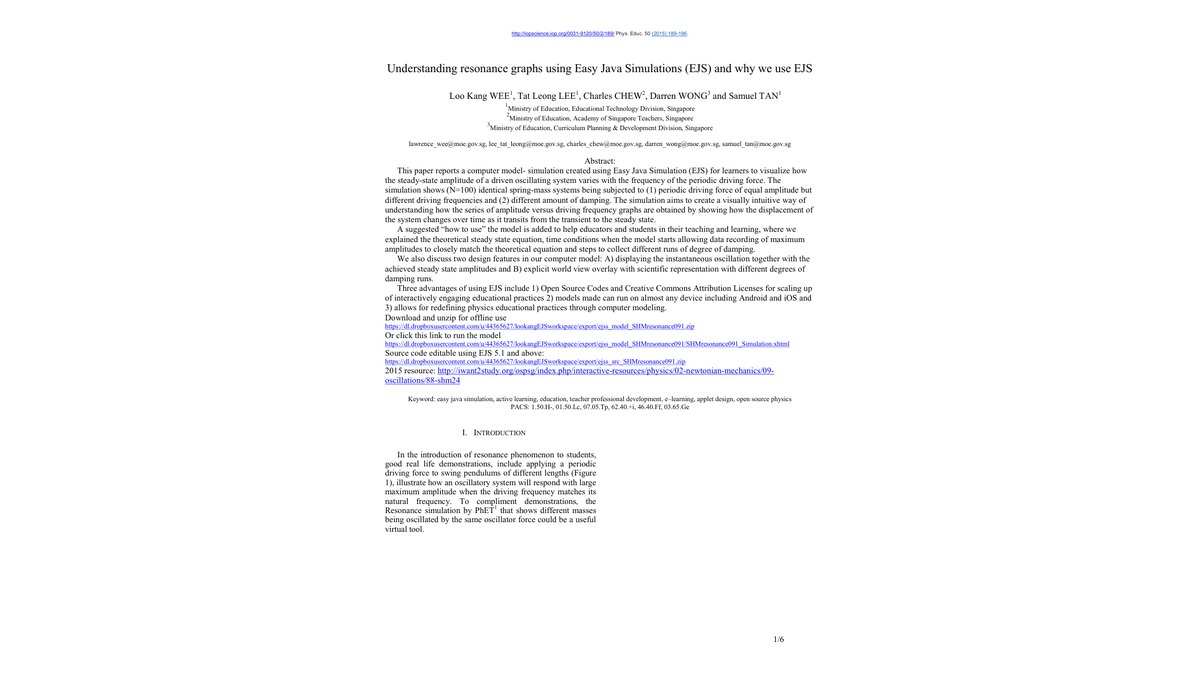
Inquiry, modelling, multiple representations, open educational resources, video analysis, simulation design, teacher adaptation, and evidence-based explanation.
Lesson construct
Students vary conditions, make predictions, observe system behaviour, read graphs and diagrams together, use data to justify claims, and revise ideas through discussion or performance tasks.
EdTech construct
Technology is used as a learning amplifier: it makes invisible processes inspectable, supports customised practice, strengthens collaboration, and gives teachers reusable lesson artefacts.
Outcome goals
Students become self-directed, collaborative, digitally literate learners who create, explain, and take ownership of investigations with technology. Teachers become collaborative learning designers who use e-pedagogy and learning evidence. Schools and system benefit from shareable, adaptable resources and a wider EdTech ecosystem.
Strategic thrusts
The research digests support customised and personalised learning, Digital Literacy and Technological Skills, 21st Century Competencies, school and department collaboration, and stronger teacher EdTech practice.
Key enablers
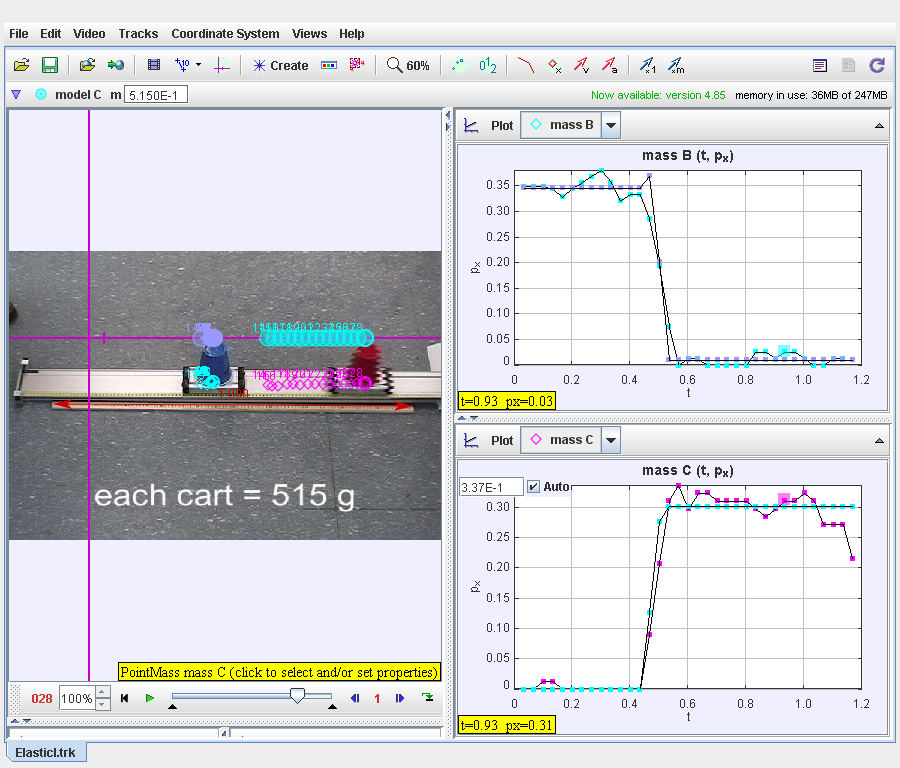
Tracker data, simulation traces, SLS-ready activities, open-source models, and teacher-sharing workflows connect to learning analytics, responsive EdTech infrastructure, and an ecosystem for professional exchange.